

Quick Access
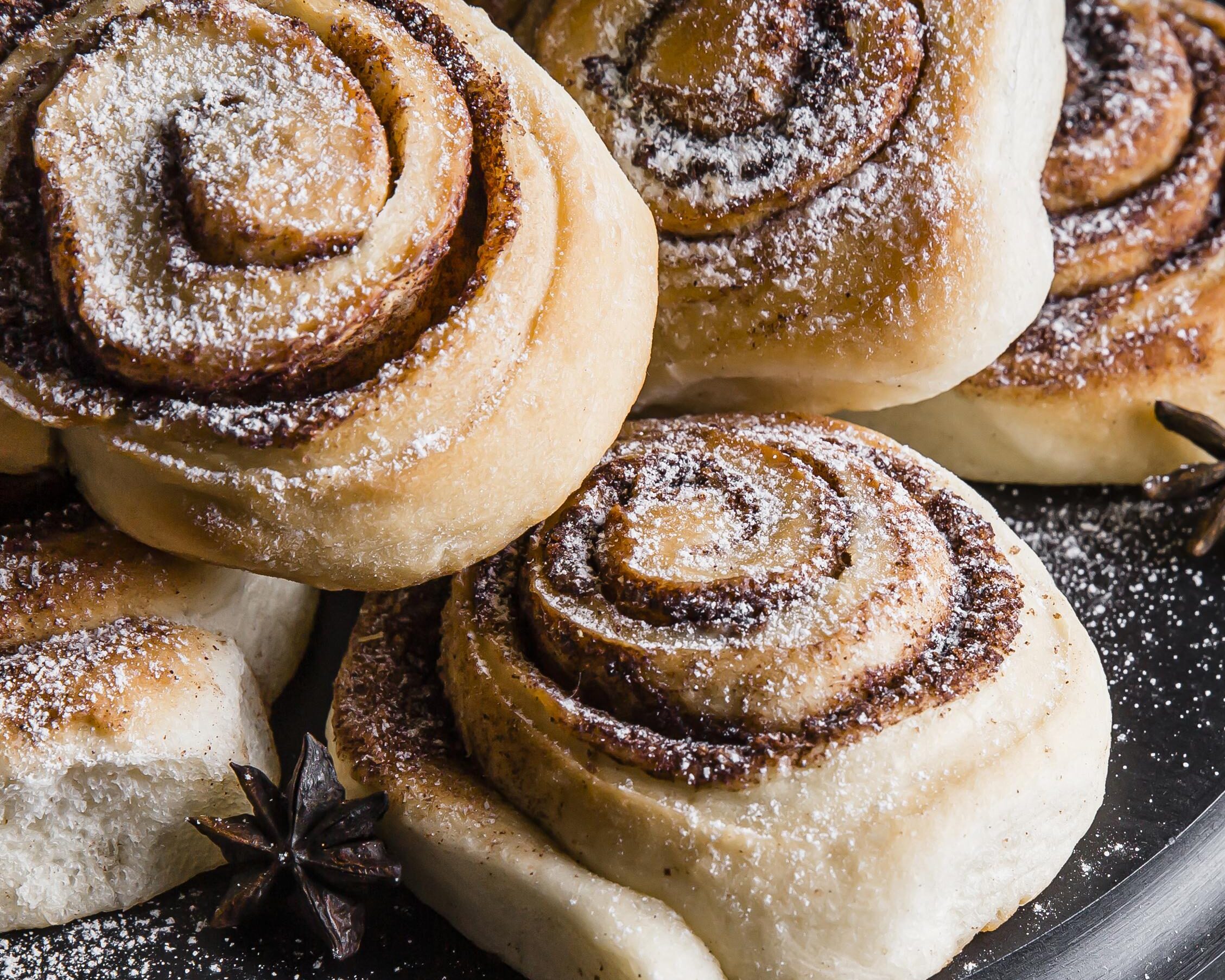
The aroma of freshly baked classic cinnamon rolls wafting through the kitchen is truly magical. These spirals of spiced dough have captivated taste buds for generations, embodying comfort and the joy of home baking. Today, we’ll explore the art of crafting homemade cinnamon rolls that will transport you to cherished memories while creating new ones with your loved ones.
Recipe Summary
- Serving Portion: 12 rolls
- Preparation Time: 30 minutes
- Cooking Time: 25-30 minutes
- Total Time: Approximately 3 hours (including rising time)
History of Cinnamon Rolls
There is a rich history of cinnamon rolls that spans centuries and continents. While cinnamon has been used in baked goods since ancient times, the modern cinnamon roll has its roots in Northern Europe, particularly Sweden. The beloved Swedish “kanelbulle” (cinnamon bun) gained popularity in the 1920s, eventually spreading globally.
North America embraced cinnamon rolls in the mid-20th century, making them a staple in bakeries and home kitchens. The addition of cream cheese frosting – a distinctly American touch – transformed this humble treat into an even more indulgent delight. Today, these sweet spirals are enjoyed worldwide, with countless variations reflecting local tastes.
Ingredients
For the Dough:
- 4 cups all-purpose flour (unbleached for better flavor)
- 1/4 cup granulated sugar
- 1 packet (2 1/4 teaspoons) active dry yeast
- 1 teaspoon salt
- 1 cup warm milk (around 110°F or 43°C)
- 1/3 cup unsalted butter, melted
- 2 large eggs, room temperature
For the Filling:
- 1/3 cup unsalted butter, softened
- 1 cup brown sugar, packed (dark brown for deeper flavor)
- 2 1/2 tablespoons ground cinnamon (Ceylon cinnamon for best flavor)
For the Cream Cheese Frosting:
- 4 oz full-fat cream cheese, softened
- 1/4 cup unsalted butter, softened
- 1 cup powdered sugar, sifted
- 1/2 teaspoon pure vanilla extract
Step-by-Step Preparation
1. Preparing the Dough
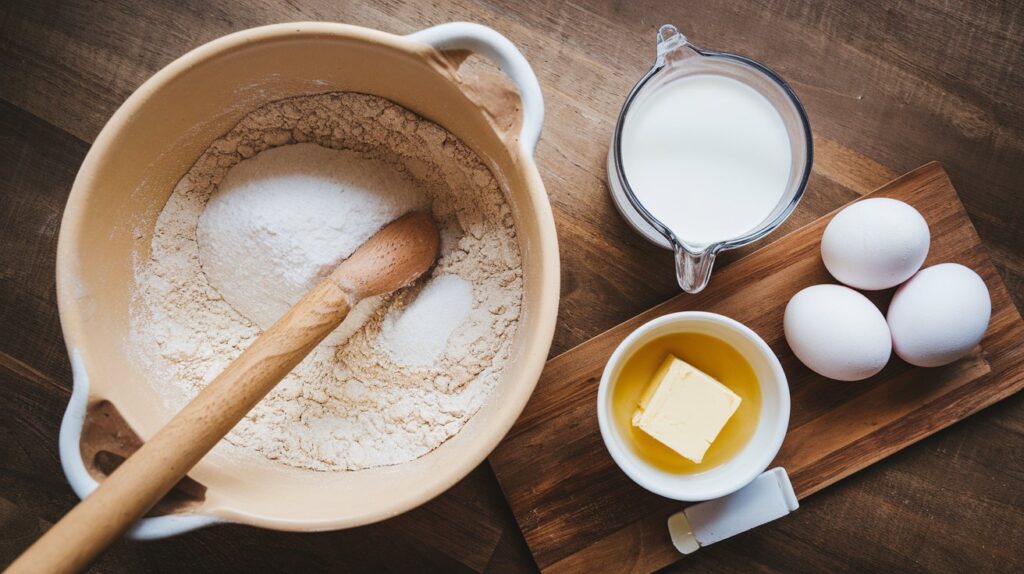
In a large bowl, mix 3 cups of flour, sugar, yeast, and salt. Separately, whisk warm milk, melted butter, and eggs. Combine wet and dry ingredients, mixing until a soft dough forms. Gradually add remaining flour until the dough comes together. Remember, humidity affects flour absorption, so add slowly.
2. Kneading and First Rise
Knead the dough on a floured surface for approximately 5 minutes until it becomes smooth and elastic. Try the ‘windowpane test’ by stretching a small piece between your fingers to test your readiness. It’s good to go if it creates a thin, translucent membrane that doesn’t tear. Place the dough in a greased bowl, cover with a damp cloth, and let it rise in a warm spot (around 80°F or 27°C) for about an hour, or until doubled.
3. Rolling and Filling
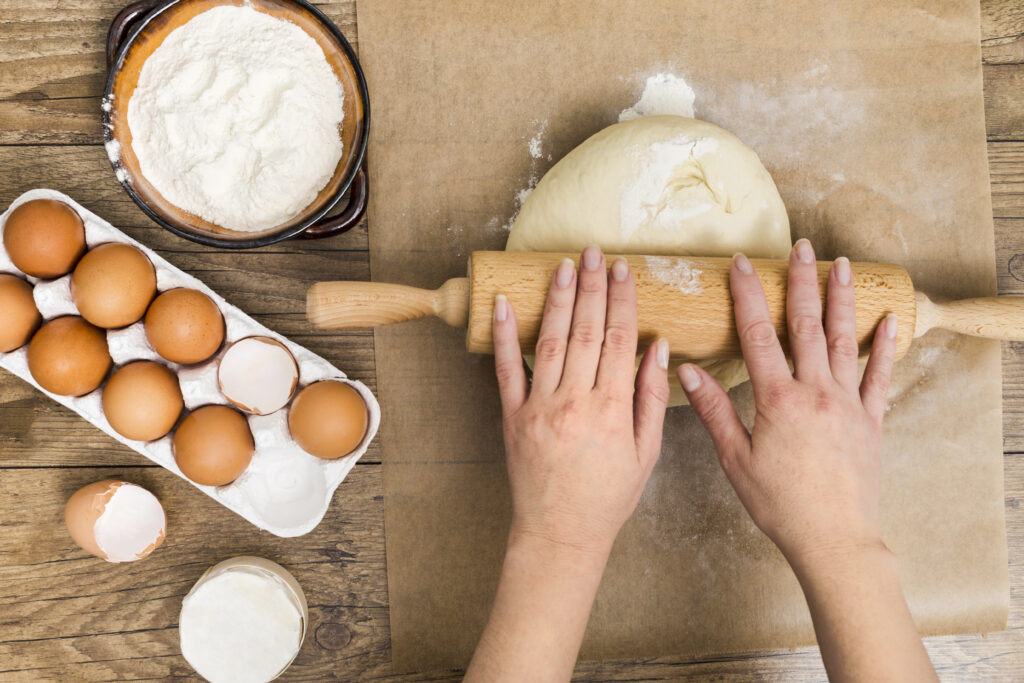
Punch the dough down after it rises to release air bubbles. Roll it out on a floured surface to form a rectangle measuring 18×12 inches. Spread softened butter evenly, then sprinkle with the brown sugar and cinnamon mixture, leaving a 1/2-inch border. Gently press the filling into the dough to help it stick.
4. Shaping the Rolls
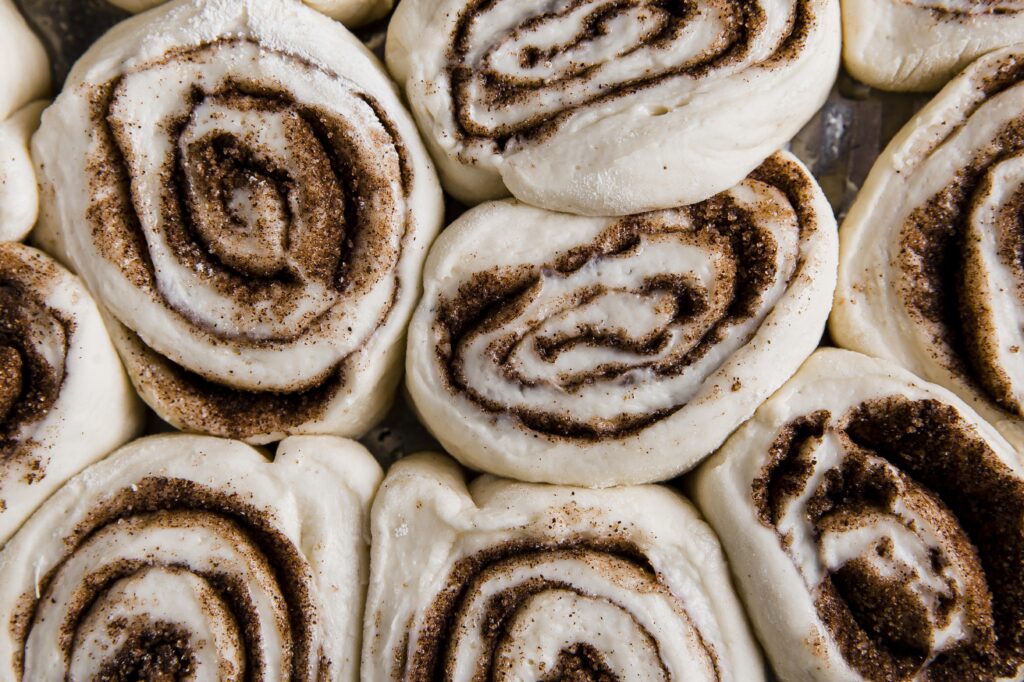
Begin by rolling the dough tightly into a log starting from the long edge. For even rolls, mark 1-inch intervals before cutting. Use a sharp knife or unflavored dental floss to slice into 12 pieces. Arrange in a greased 9×13-inch baking pan, leaving space for expansion.
5. Second Rise and Baking
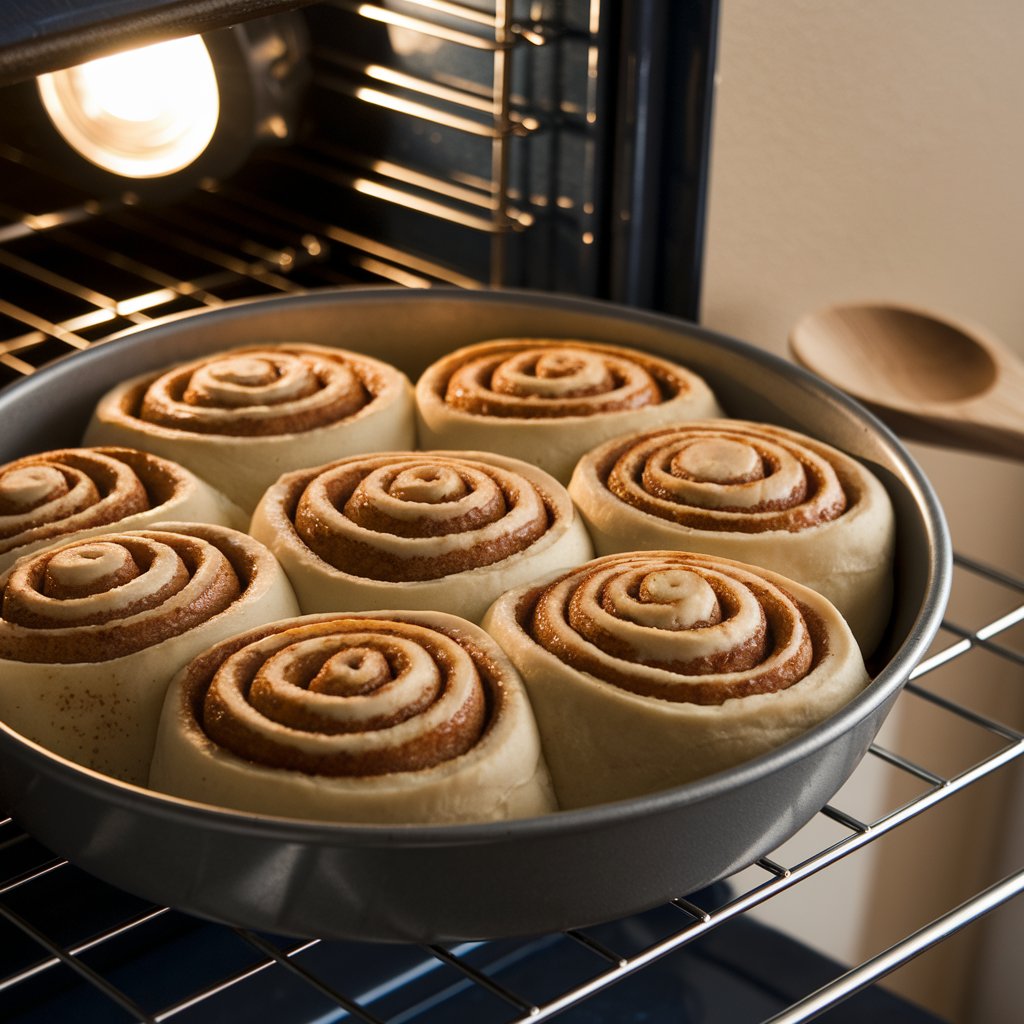
Cover the rolls and let them puff up for another 30 minutes. Meanwhile, preheat your oven to 350°F (175°C). Bake for 25-30 minutes until golden brown. For perfectly baked rolls, the internal temperature should hit 190°F (88°C). If they’re browning too fast, loosely cover with foil.
6. Frosting and Serving
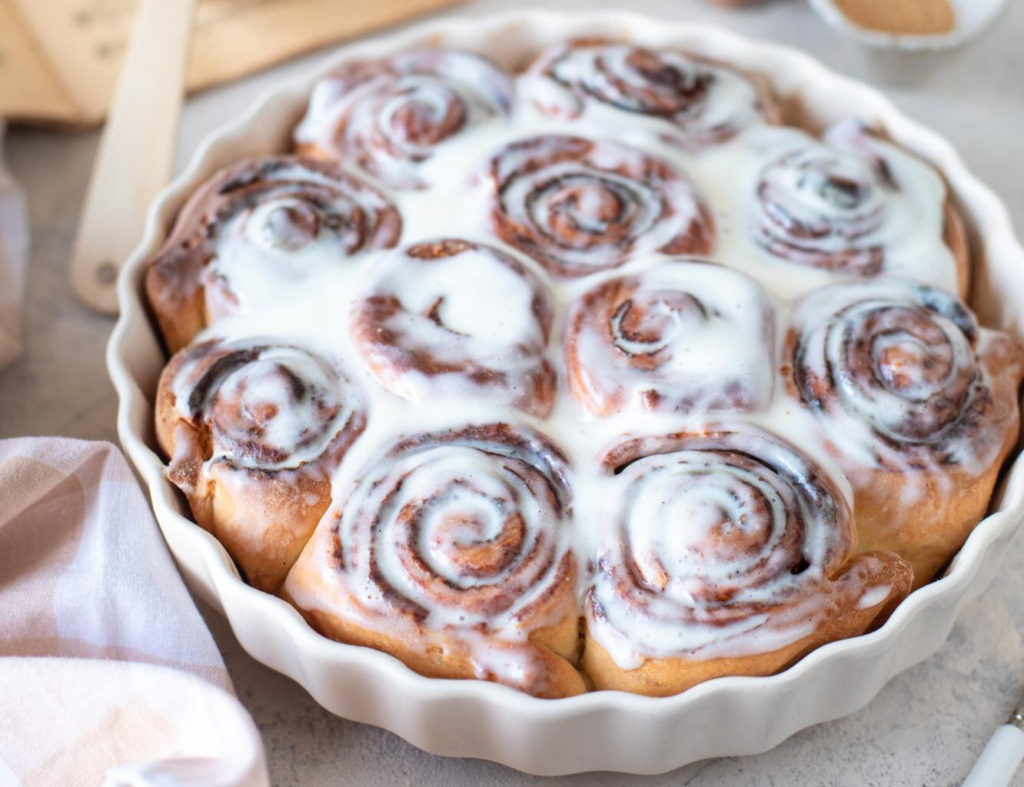
During the baking process of the rolls, whip up the cream cheese frosting. Allow the rolls to cool for 5-10 minutes after they’re out of the oven before spreading the frosting generously. The residual heat will help it melt slightly into the crevices. Serve warm and savor the heavenly aroma and taste of your homemade cinnamon rolls!
Cooking Tips
- Use room temperature ingredients for the dough to ensure proper mixing and rising.
- Don’t rush the rising process – patience yields fluffier rolls.
- For extra gooey rolls, double the filling ingredients.
- Try out different types of cinnamon to discover your preferred flavor profile.
- Use a bench scraper for easy dough handling and cutting.
Delicious Variations
Once you’ve mastered the classic, why not try these tasty twists?
- Nutty Delight: Sprinkle chopped pecans or walnuts over the filling for added crunch.
- Citrus Kick: Zest some orange or lemon into the dough for a bright, fresh flavor.
- Chocolate Lover’s Dream: Scatter chocolate chips over the cinnamon-sugar filling before rolling.
- Vegan Version: Swap dairy milk for almond milk, use vegan butter, and replace eggs with flax eggs (1 tablespoon ground flaxseed mixed with 3 tablespoons water per egg).
- Gluten-Free Option: Use a gluten-free flour blend and add xanthan gum for better texture and binding.
Serving and Storage
Serve these rolls warm for maximum enjoyment. Their pairing with cold glass milk, tea, or a coffee is excellent. For a special breakfast, serve alongside fresh fruit and yogurt.
To keep them fresh, store covered at room temperature for up to 2 days. If you need to store it for longer, keep it refrigerated for up to a week. When ready to eat, reheat individual rolls in the microwave for 15-20 seconds or in a 300°F (150°C) oven for 5-7 minutes.
For make-ahead convenience, prepare the rolls up to the second rise, then cover and refrigerate overnight. Before baking, give them a 30 minute rest at room temperature in the morning.
Pro Tips
- Perfect Dough Consistency: Aim for a dough that’s soft and slightly tacky, but not sticky. In case it’s too sticky, add 1 tablespoon of flour at a time. If the mixture is too dry, add one teaspoon of milk at a time..
- Even Filling Distribution: After spreading the butter, mix the cinnamon and sugar together before sprinkling. This ensures an even distribution of flavors throughout the roll.
- Enhance Frosting Flavor: Add a pinch of salt to your cream cheese frosting to balance the sweetness and bring out the tangy cream cheese flavor.
- Optimal Storage: If storing for more than a day, keep the frosting separate and apply just before serving to maintain the rolls’ texture.
- Reheating for Freshness: To revive day-old rolls, sprinkle them with a few drops of water before reheating. This creates steam, making them soft and gooey again.
- Ingredient Substitutions: For a dairy-free version, use coconut oil instead of butter and coconut cream instead of cream cheese for the frosting. Adjust sugar to taste as coconut cream is naturally sweeter.
- Rolling Technique: For tighter, more uniform rolls, roll the dough slowly and firmly, pausing to readjust and tighten as you go.
- Proofing Hack: Create a perfect proofing environment by placing the dough in a turned-off oven with a pan of boiling water on the bottom rack. The steam creates ideal conditions for rising.
Conclusion
Armed with this guide, you’re ready to embark on your cinnamon roll journey. Remember, Don’t be discouraged if your first batch doesn’t look perfect, practice makes perfect. The joy of baking lies in the process, the enticing aromas filling your kitchen, and the smiles on the faces of those you share your creations with.
We’d love to see your cinnamon roll creations! Share your photos on social media and tag us, or leave a comment below with your experience and any questions. Happy baking, and may your kitchen always be filled with the irresistible scent of freshly baked cinnamon rolls!
Check out these helpful resources for additional baking ideas:
- The Best Cinnamon Rolls You’ll Ever Eat – for an irresistible fluffy cinnamon roll recipe with a delicious glaze.
- Comprehensive Guide on Making Cinnamon Rolls from Scratch – perfect for beginners looking for detailed instructions on yeast activation and dough kneading.
- Soft & Gooey Homemade Cinnamon Rolls in Under Two Hours – ideal for when you’re short on time but craving that homemade goodness.
Here’s to your baking success and kitchens filled with the sweet aroma of cinnamon and warmth of freshly baked rolls!
Check out our front page more delicious recipes or our youtube chanel for more inspiration
Frequently Asked Questions
1. What can I use if I don’t have yeast?
If you’re out of yeast, you can try making a quick version of cinnamon rolls using baking powder instead. While the texture won’t be exactly the same, you’ll still get a delicious treat. Mix 2 teaspoons of baking powder into your dry ingredients for every cup of flour. Keep in mind that these rolls won’t rise as much and will have a slightly different texture, but they’ll still be tasty!
2. Is there a way to soften my cinnamon rolls??
For softer cinnamon rolls, try these tips:
- To achieve a chewy texture, substitute all-purpose flour with bread flour.
- Add a tablespoon of cornstarch to your flour for a more tender crumb.
- Brush the rolls with cream before baking to keep them moist.
- Don’t overbake – take them out when they’re just golden brown.
- Brush with melted butter immediately after baking for extra softness.
3. Can I make cinnamon rolls the day before and bake them later?
Absolutely! You can prepare the rolls up to the point of the second rise, cover them tightly with plastic wrap, and refrigerate overnight. In the morning, remove them from the fridge and let them sit at room temperature for about 30-45 minutes before baking. This method can actually enhance the flavor as the dough slowly rises in the fridge overnight.
4. How do I know when the dough is ready?
The dough is ready when it’s smooth, elastic, and slightly tacky but not sticky. You can perform the “windowpane test”: take a small piece of dough and stretch it between your fingers. If it forms a thin, translucent “windowpane” without tearing, it’s ready. If it tears easily, knead for a few more minutes and test again.
5. What should I do if my rolls aren’t rising?
If your rolls aren’t rising, try these troubleshooting steps:
- Check your yeast: Make sure it’s not expired and was properly activated in warm (not hot) liquid.
- Ensure proper temperature: Yeast thrives in warm environments. Place the dough in a warm, draft-free area (ideally around 75-80°F).
- Be patient: Sometimes, especially in cooler kitchens, rising can take longer than expected.
- Create a proofing box: Place a pan of hot water in your oven (turned off) and put the dough inside to create a warm, humid environment.
- Add more time: If the dough hasn’t doubled in size, give it more time to rise before shaping the rolls.
1 thought on “Classic Cinnamon Rolls”
Comments are closed.